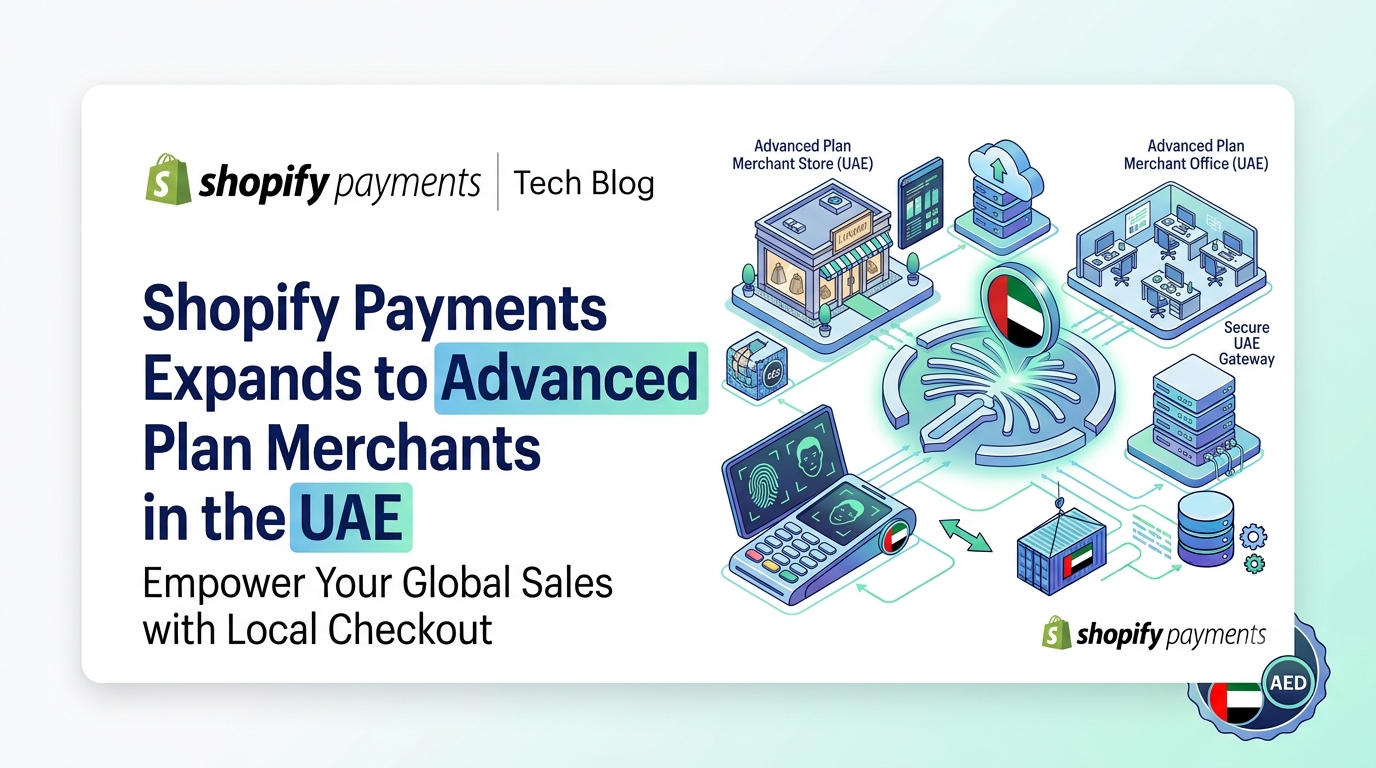
Shopify has just announced a major shift for merchants in the United Arab Emirates (UAE). Until now, only Shopify Plus merchants could tap into Shopify Payments, the native payment processor that eliminates the need for third‑party gateways. Starting today, Advanced plan merchants in the UAE can also enable Shopify Payments directly from their admin. This change simplifies checkout, reduces transaction fees, and gives store owners a tighter integration with Shopify’s ecosystem. In this post we’ll break down what’s new, who it affects, and the exact steps you need to take—whether you’re a merchant preparing to launch or a developer supporting multiple client stores.
Why This Update Matters
Shopify Payments offers several advantages over external gateways: lower processing fees (especially for Shopify‑provided rates), automatic fraud analysis, seamless payout schedules, and native support for Shopify’s checkout customizations. By extending the feature to the Advanced plan, Shopify is closing a gap that left many mid‑size merchants in the UAE juggling multiple providers, dealing with compliance headaches, and missing out on data insights that come from a unified payment stack. The move also signals Shopify’s confidence in the growth of eCommerce in the Middle East, where digital adoption and cross‑border buying are accelerating.
Who Is Affected?
*Merchants*: Any store on the Advanced plan that is based in the UAE and meets the standard eligibility criteria (business registration, bank account in the UAE, etc.).
*Developers*: Partners who build or maintain stores for UAE merchants will now need to consider Shopify Payments as the default gateway in their onboarding scripts, theme customizations, and payment‑related apps. The API surface for payments itself hasn’t changed, but the eligibility logic you may have coded (e.g., “if plan == 'Plus' then enable Shopify Payments”) will need updating.
Eligibility & Onboarding Requirements
Shopify still enforces a short list of requirements before you can activate the service. The key points are:
How to Enable Shopify Payments in the Admin
Once activated, the third‑party gateway section will disappear, and all new orders will flow through Shopify Payments automatically.
Developer Implications & Code Adjustments
Most of the Shopify API endpoints that deal with payments remain unchanged. However, many developers embed plan‑based logic in scripts that auto‑configure payment providers during store setup. Below is a typical Liquid/JavaScript snippet that you might need to revise.
javascript
// Old logic – only enable Shopify Payments for Plus merchants
if (shop.plan_name === 'plus') {
enableShopifyPayments();
} else {
enableThirdPartyGateway('Stripe');
}
Update the condition to include the Advanced plan:
javascript
// New logic – support Advanced and Plus merchants in the UAE
const eligiblePlans = ['advanced', 'plus'];
if (shop.country === 'AE' && eligiblePlans.includes(shop.plan_name)) {
enableShopifyPayments();
} else {
enableThirdPartyGateway('Stripe');
}
If you use the Admin API to set payment settings, the same adjustment applies. Example using the REST Admin API to fetch the current payment settings:
bash
GET /admin/api/2024-07/shop.json
# Look for "payment_gateway" and "shopify_payments_enabled" fields
When you create a new store via the Partner Dashboard, you can now pre‑select Shopify Payments for UAE Advanced merchants by passing the following payload in the Store Creation API:
{
"store": {
"name": "My UAE Store",
"plan_id": "advanced",
"country": "AE",
"payment_settings": {
"shopify_payments_enabled": true
}
}
}
Action Checklist for Merchants
Action Checklist for Developers
shopify_payments_enabled flag.payments/create, payouts/create) for any anomalies during the first weeks of rollout.What This Means for the UAE eCommerce Landscape
The expanded availability lowers the barrier to entry for growing brands that were previously forced to integrate Stripe, PayPal, or local acquirers. With Shopify Payments handling compliance, currency conversion, and fraud detection, merchants can focus on marketing, inventory, and customer experience. For developers, the change reduces the number of payment‑gateway integrations you need to maintain, freeing up resources for higher‑impact customizations such as checkout UI enhancements, subscription models, or localized payment methods (e.g., Apple Pay / Google Pay) that now sit on top of a single native processor.
Conclusion & Next Steps
Shopify Payments becoming available on the Advanced plan is a win‑win for UAE merchants and their development partners. Merchants gain a streamlined checkout and lower fees, while developers get a more predictable payment stack. If you’re an Advanced plan merchant in the UAE, head to your admin today and enable the feature—your next order could be the first to benefit from faster payouts and reduced complexity. Developers, update your onboarding logic now and let your clients know they can retire legacy gateways.
Ready to make the switch? Log in, follow the checklist, and start processing payments the Shopify way. Need help with the migration? Reach out to our support team or drop a comment below—we’re happy to guide you through the process.