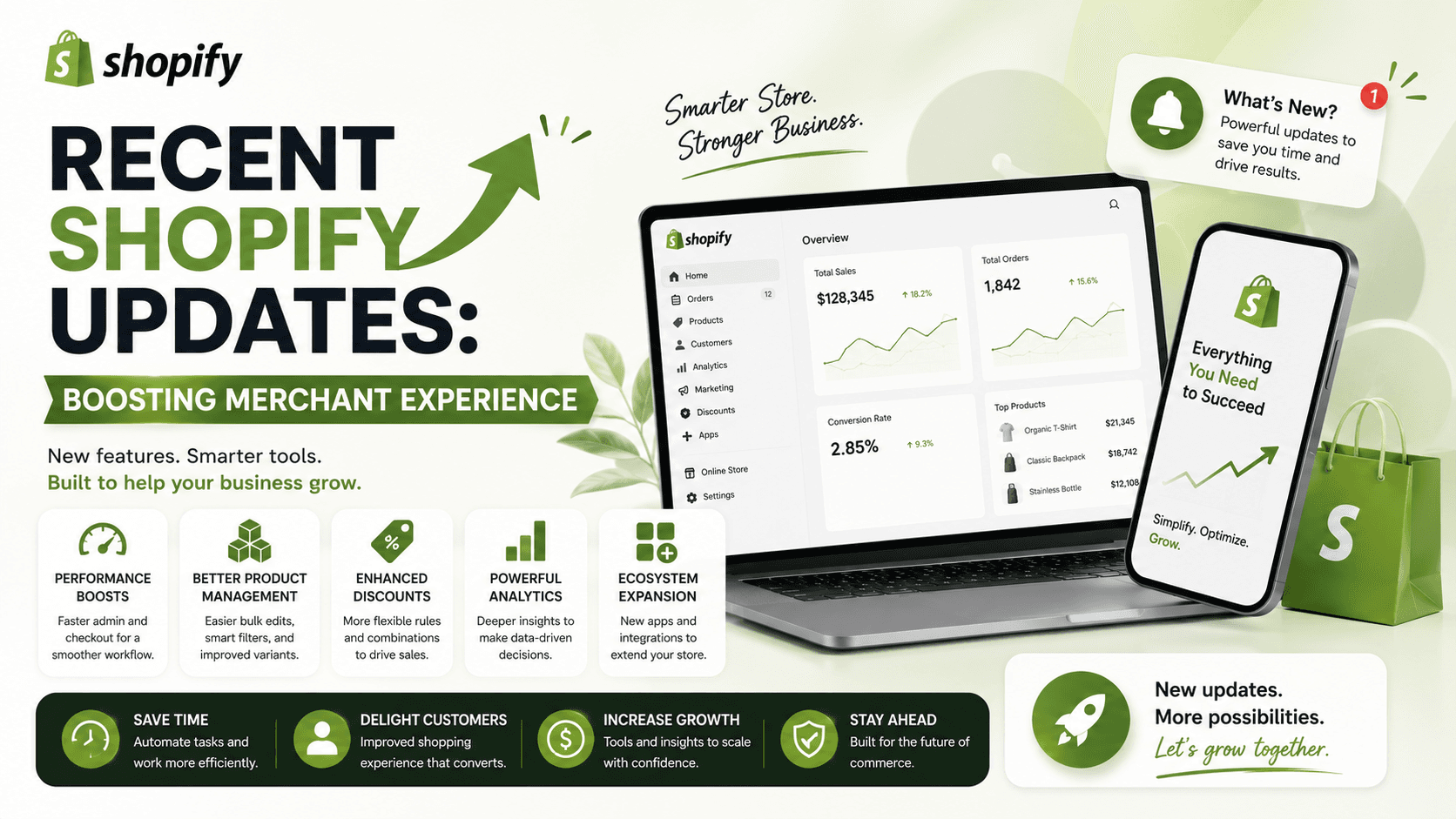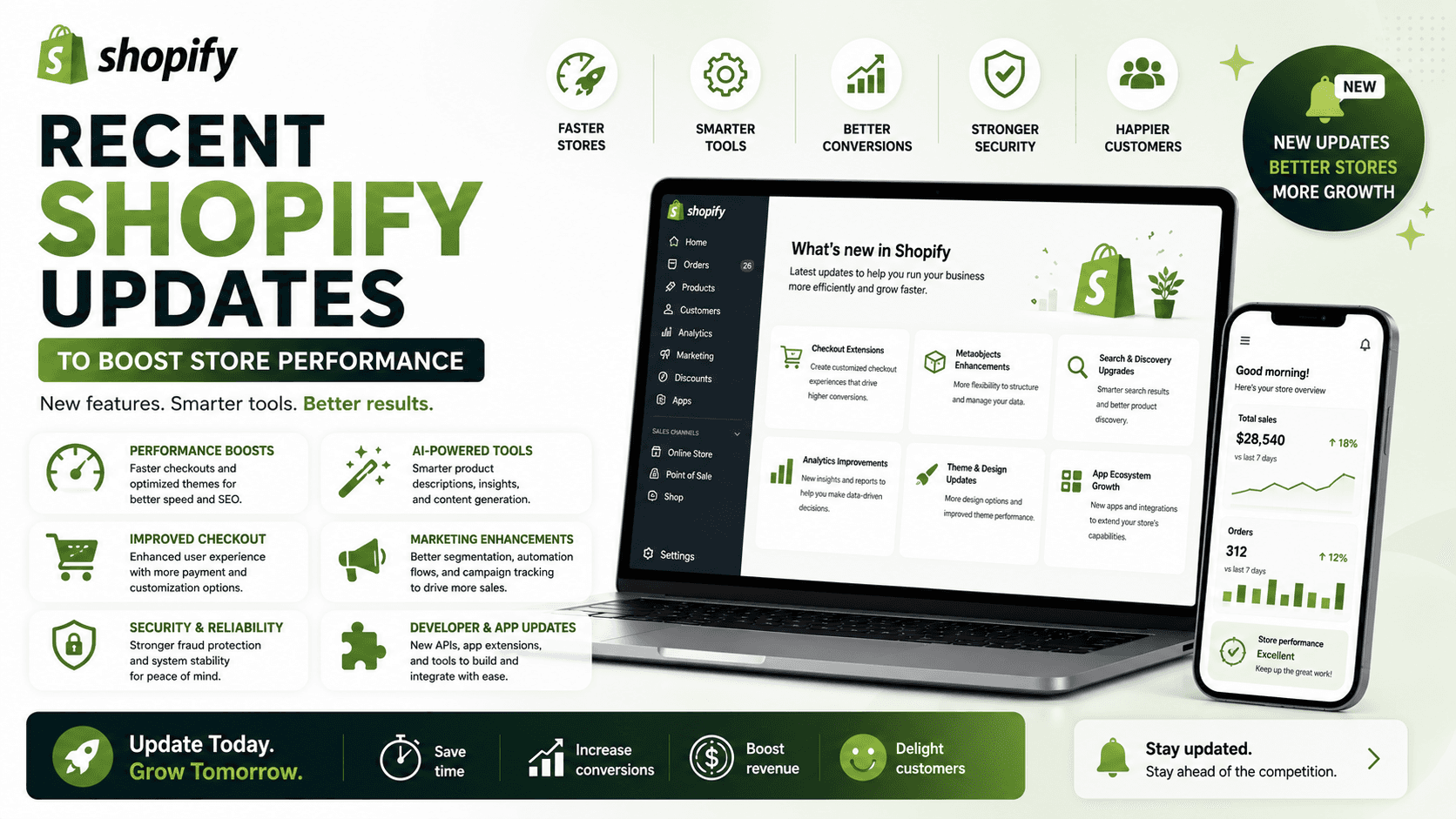
As a Shopify merchant or developer, staying on top of the latest platform updates is crucial for optimizing your store's performance and providing the best customer experience. Recently, Shopify has introduced several significant updates that can impact your business. In this article, we'll explore these updates, discuss who they affect, and provide actionable tips on what you can do next to leverage these changes for your benefit.
App-Added Annotations on Analytics Charts
One of the most useful recent updates is the ability for apps to add annotations directly to your analytics charts. These annotations can mark important events such as product launches, marketing campaigns, or changes in business strategies, providing valuable context to your analytics data. By understanding what events might have influenced trends or changes in your data, you can make more informed decisions about your business. For instance, you can use annotations to compare sales before and after a campaign, assess the impact of a landing page launch on conversion rates, or evaluate how a discount affected average order value.
Shopify Managed Markets and EU Buyer Cancellation and Return Requests
For merchants using Shopify Managed Markets to sell into EU countries, a new update now supports buyer cancellation and return requests to comply with the EU's Right of Withdrawal requirements. This means that Shopify has added a managed 14-day cancellation and return rule for covered EU-bound orders. The good news is that no action is required from your end to continue using Managed Markets for applicable EU orders. However, it's essential to understand the implications of this update on your return and cancellation policies to ensure compliance and maintain a positive customer experience.
Collections Now Support Multi-Source and Variants
Another significant update is the expansion of collection capabilities, allowing merchants to build collections from multiple sources and target specific variants. This means you can combine automated conditions, hand-picked products, exclusions, other collections, and sources from apps in a single collection. The ability to create variant-level collections and reuse collections across different workflows, such as discounts and taxes, offers more flexibility in merchandising strategies. If your store uses third-party or custom apps that interact with collections, ensure your developers update to API version 2026-07 to support these new capabilities.
Other Notable Updates
Shopify has also introduced the ability to combine multiple product discounts on the same item, drive international conversion with automated duties-inclusive pricing, and copy and paste steps in workflows using Flow. Additionally, you can now turn automatic hreflang tags on or off from your admin settings, and there have been security updates to the Shopify Mobile App on Android. Each of these updates can help you manage your store more efficiently, improve customer experience, and increase sales.
In conclusion, staying informed about the latest Shopify updates is key to maximizing the potential of your e-commerce business. By understanding and leveraging these updates, you can streamline your operations, enhance customer satisfaction, and ultimately drive growth. Take some time to review each update in detail, consider how it applies to your business, and explore the Shopify Help Center and community forums for more insights and support.
To get started, visit the Shopify changelog to learn more about each update and how to implement them in your store. Don't hesitate to reach out to Shopify support or your development team for assistance in integrating these updates into your business strategy. Stay ahead of the competition and take your e-commerce business to the next level with Shopify's latest features and updates.